Palo Mayombe
This in-depth guide is devoted to exploring, thoroughly and in detail, the world of Palo Mayombe, a religious practice rooted in Central Africa that has found a vibrant life in the Americas. Ranging from its ancestral history, beliefs and ritual practices to its impact on contemporary society, this guide delves into the deepest aspects of Palo Congo. It seeks to offer a complete understanding not only of its rituals and symbolism, but also of the cultural and spiritual context in which they unfold. By providing a detailed and rigorous account, this guide is addressed both to practitioners and to those seeking a deep, respectful knowledge of this complex and often misunderstood spiritual tradition.
What Is Palo Mayombe?
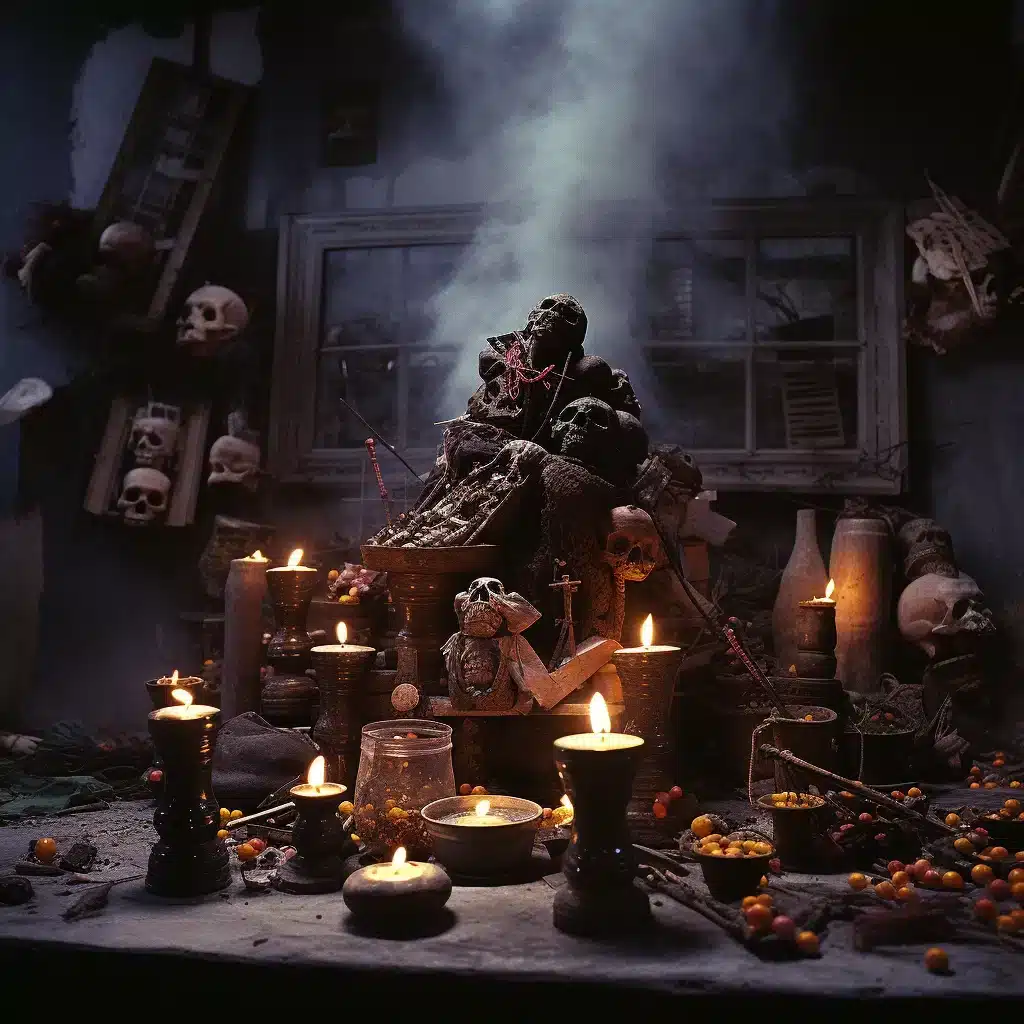
Palo Mayombe, palería, regla de congo or palo monte is an Afro-Cuban religion with roots in the Bantú culture of the Congo region, in Central Africa. This faith crossed to the American continent through the African diaspora and is known for its profound veneration of the dead and of the ancestral deities, in which each spirit of a dead person, or «nfumbe«, is intimately bound to a specific deity or «mpungo«. For example, a dead spirit named Pedro might be associated with Zarabanda, one of the most venerated and important deities in Palo Mayombe.
At the heart of its practices stands the «nganga» or «prenda«, a sacred altar called the monanzo that serves as the physical and spiritual home of these spirits. Practitioners, known as «paleros«, perform rituals and spells using the nganga for protection, healing and spiritual guidance, thus keeping an active bond with the spirit world.
Palería is a syncretic religion which, on reaching the American continent, absorbed elements of other traditions, including Christian practices and other Afro-American beliefs, while always preserving its own structure and worldview.
In this article we will unravel the origin of Palo Mayombe, its evolution and how it has spread beyond its African roots to become a global spiritual practice. Our focus will rest on authenticity and on offering a clear understanding of the foundations of this powerful and often misread religious tradition.
Variants
In the second half of the nineteenth century came the so-called «old variants», those known to mayomberos, briyumberos, kimfuiteros, masingas and kimbiseros; then, after 1930, the so-called «present-day variants» appeared, which are:
- Palo Mayombe: Characterized by the use of two fetishes called ngangas, one for good, or Christian, and another for causing harm, or Jewish. Its practice predominates from the east of the province of Havana to Camagüey.
- Palo Ndoke: Defined by the exclusive use of Jewish ngangas, meant for doing harm. It is widely practiced in Pinar del Río, the west of Havana province and the city of Havana.
- Palo Kimbiso: In opposition to the previous one, it employs only Christian ngangas, meant for good. Today its presence is limited to the city of Havana.
- Palo Muertero: Found in Santiago de Cuba and nearby areas; it is marked by a mutation of the African concept of the fetish, for it is not the believer who commands it, but the object that commands its keeper — or at least both stand on equal footing in the relationship between them.
Origins and Historical Evolution of Palo Monte
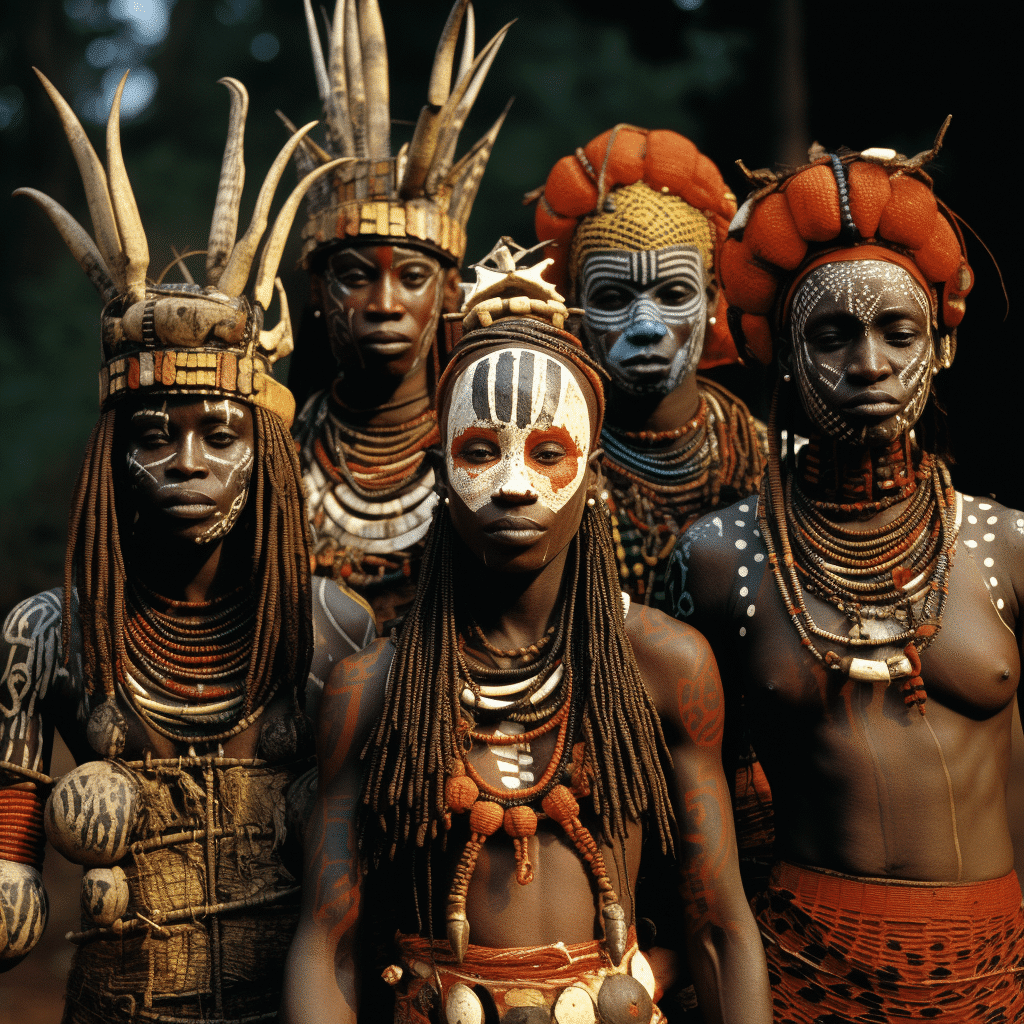
The religion of Palo Mayombe, rooted in the Bantú traditions of the Congo, is thought to have begun taking shape at some point before the sixteenth century. That period coincides with the beginning of the transatlantic slave trade, a pivotal event that carried these spiritual practices to Cuba and other parts of the Americas. The creation of the rule of Palo Mayombe was a direct response to the need to preserve African cultural and religious traditions in an environment of oppression and slavery.
In Cuba, the fusion of these practices with elements of other African traditions, Christianity and Spiritism gave rise to a unique form of religiosity. This syncretization was in part a survival strategy, allowing the enslaved to keep their spiritual identity while adopting elements of the religions imposed by the colonizers.
Over the centuries, Palo Mayombe has adapted and evolved, yet it has always kept its emphasis on the connection with the ancestors and the dead. Its practice and beliefs have remained alive and have continued to develop, reflecting the history and struggles of its followers through the years.
Global Expansion
The global expansion of Palo Mayombe, also known as La Regla de Palo, is a phenomenon that shows how a religious practice can transcend its geographic and cultural origins to find resonance in many parts of the world. Originally rooted in the Bantú culture of the Congo and carried to Cuba through the transatlantic slave trade, this spiritual tradition has grown significantly beyond Cuba and Africa.
Drivers of Expansion
- African Diaspora: The presence of Palo Mayombe across the continent is owed above all to the African diaspora. During and after the era of slavery, Africans and their descendants kept and adapted their spiritual practices, Palo Mayombe among them, as a way of preserving their cultural identity and resisting oppression.
- Interest in Afro-Caribbean Spiritual Practices: In recent decades there has been a growing interest in Afro-Caribbean religions and spiritual practices around the world. This is due in part to a broader movement toward spiritual exploration and the search for alternative belief systems.
- Mobility and Globalization: Globalization and increased mobility have eased cultural and spiritual exchange. As a result, Palo Mayombe has found new adherents in places as varied as Europe, North America and other regions of the Caribbean and Latin America.
Countries
- Cuba: The place where Palo Monte developed and consolidated as a distinct religious practice.
- United States: Particularly in areas with large communities of Cuban immigrants and people of African descent, such as Miami and New York.
- Puerto Rico: Owing to its cultural and historical closeness to Cuba, Palo Mayombe has found a significant place in the island’s spiritual practice.
- Mexico and Latin America: In countries such as Mexico, Colombia, Venezuela and Brazil, communities of Palo Mayombe practitioners have taken root.
- Spain: Especially in cities with a large population of Cuban and other Latin American immigrants.
- Other European Countries: In some parts of Europe, especially where there are communities of the African and Afro-Caribbean diaspora, Palo Mayombe is practiced.
- Canada: In urban areas with Afro-Cuban and Afro-Caribbean communities.
Fundamental Principles of Palo Mayombe
The fundamental principles of Palo Mayombe span a spectrum of spiritual beliefs and practices that have endured and evolved over time. They include:
- Connection with the Ancestors: A cornerstone of Palo Monte is the belief in the continuing influence of the ancestors on the living world. This connection is kept active through rituals and offerings.
- Relationship with the Spirits of Nature: The followers of Palo Mayombe recognize and venerate a range of spirits, each tied to natural elements and aspects of life. These spirits, or «mpungos«, are fundamental to daily practice.
- The Role of the Nganga: The nganga, an iron cauldron that houses the spirit of a dead person bound to a specific deity, is essential in the rituals and practices of Palo Mayombe. It serves as a direct link to the spirit world.
- Use of Magic and Rituals: Magic in Palo Mayombe is a means of influencing and directing spiritual forces. The rituals may include the use of herbs, animal sacrifices and chants, each with a specific purpose.
- Syncretism and Adaptation: Throughout its history, Palo Monte has shown a remarkable capacity for adaptation, absorbing elements from other religions and cultures, especially in its diaspora across the American continent.
- Ethics and Moral Responsibility: Though powerful, this practice is governed by a strong sense of ethics. Practitioners are expected to act with responsibility and respect toward the spiritual forces and the community.
These principles are not merely ritual practices; they also represent a way of life and an ethical framework for the practitioners of Palo Mayombe.
Practices and Rituals in Palería
In the Regla de Palo, rituals and customs are central to spiritual practice and the connection with the beyond. These acts revolve around communication with, and respect for, the spirits and the ancestors. Among the most significant is the initiation ritual known as «rayamiento«, which forges a deep bond between the initiate and the spirit world of Palo.
Divination holds an important place, employing traditional methods such as the chamalongos to interpret messages and counsel from the spirits. The ceremonies may also include offerings, chants and dances, elements that strengthen the connection with this religion’s African roots.
Although the nganga is not a ritual in itself, it is an iron cauldron or clay vessel that is essential in many of the practices of Palo. Each nganga houses the spirit of a dead person, bound to a specific deity, and acts as a focal point for the performance of many rituals. The relationship between a practitioner of Palo and their nganga is a vital aspect of their religious practice, reflecting the belief in a constant interplay between the physical and spiritual worlds.
Initiation Rites and Their Meaning in the Regla de Palo
The initiation rites of this Regla Conga, or Palo Mayombe, known as «rayamiento«, are the gateway that brings new practitioners into this spiritual tradition. These rituals mark the initiates’ passage to a state of deeper understanding and connection with the spirit world. During the rayamiento, symbolic cuts are made on the initiate’s skin, sealing a blood pact with the spirits and ancestors. This act not only signifies entry into the community of Palo, but also confers spiritual protection and acceptance by the spirits.
The rite of initiation is a process that entails a deep personal and spiritual transformation. On becoming a full member of the Regla de Palo, the initiate takes on new responsibilities and duties within the community. This process is usually overseen by an experienced Tata or Yaya, who guides the initiate through the ritual’s intricate steps and meanings. Initiation is also a moment of profound spiritual connection, in which the initiate begins to build a personal relationship with the spirits and deities of Palo Mayombe.
The Nganga: The Spiritual Heart of the Regla de Palo
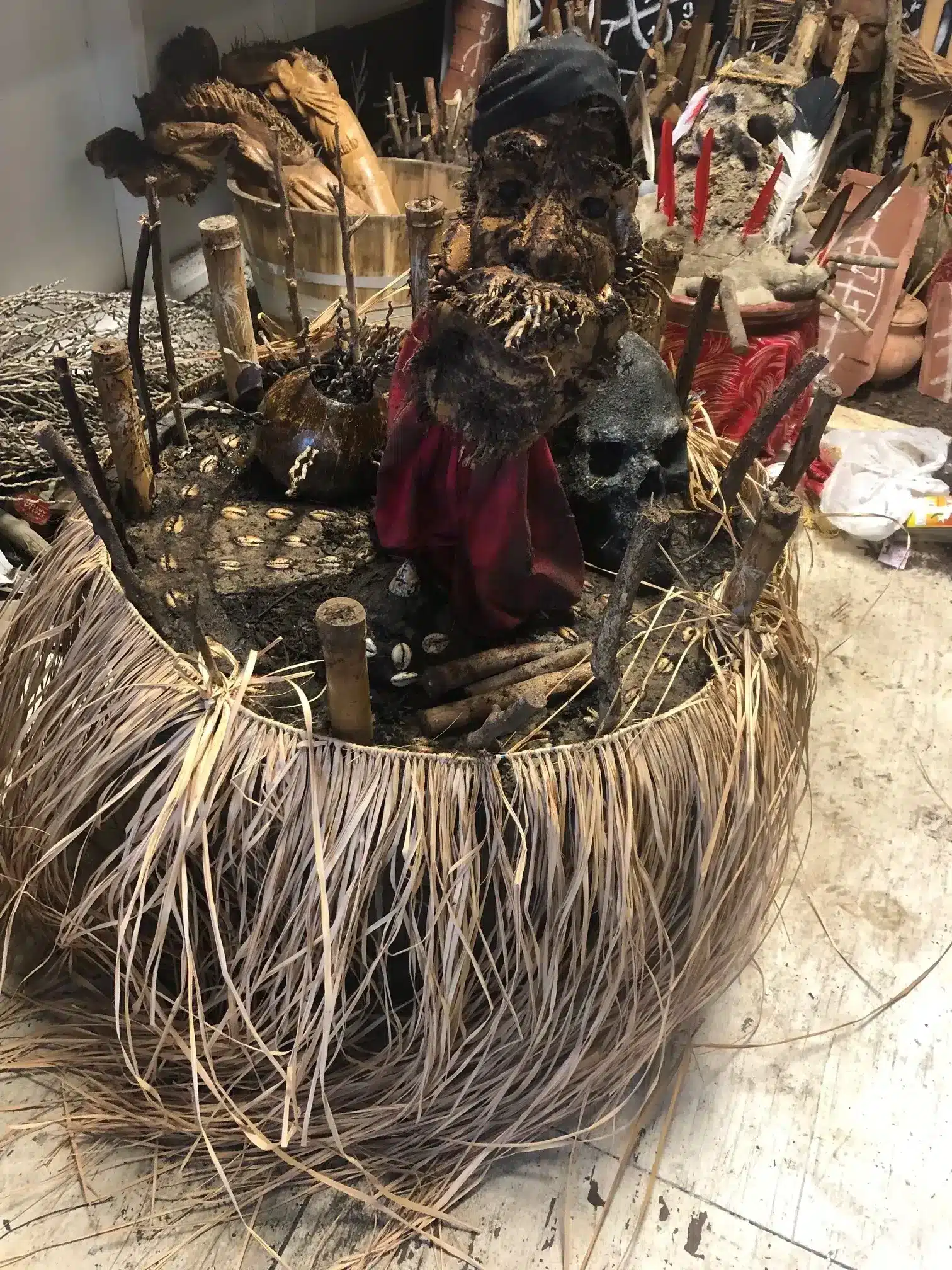
The nganga, also known as the prenda or sacred cauldron, is one of the most significant and powerful elements within the Regla de Palo. This ritual object is regarded as the spiritual heart of the practice: a vessel, at once physical and spiritual, in which an important spirit or nfumbe resides — often an ancestor or an allied spirit. The nganga is composed of several sacred elements, including earth, herbs and personal objects, each carefully chosen for its spiritual meaning and power.
The nganga acts as a focal point for communication with the spirit world, serving as a direct link between the practitioners of the Regla de Palo and the spirits they work with. Its preparation and upkeep are key responsibilities of a Tata or Yaya, who must be experienced practitioners, versed in the traditions and rituals of Palo Mayombe.
Upon the nganga, a range of rituals and ceremonies is performed, from divination to works of healing and protection. Each nganga is unique, consecrated to a specific spirit or dead person and charged with an energy that reflects its purpose and the nature of the spirit it houses. The relationship between the practitioner and their nganga is deeply personal and essential to the effective exercise of magic and spirituality in the Regla de Palo Mayombe.
Divination and Spirit Communication
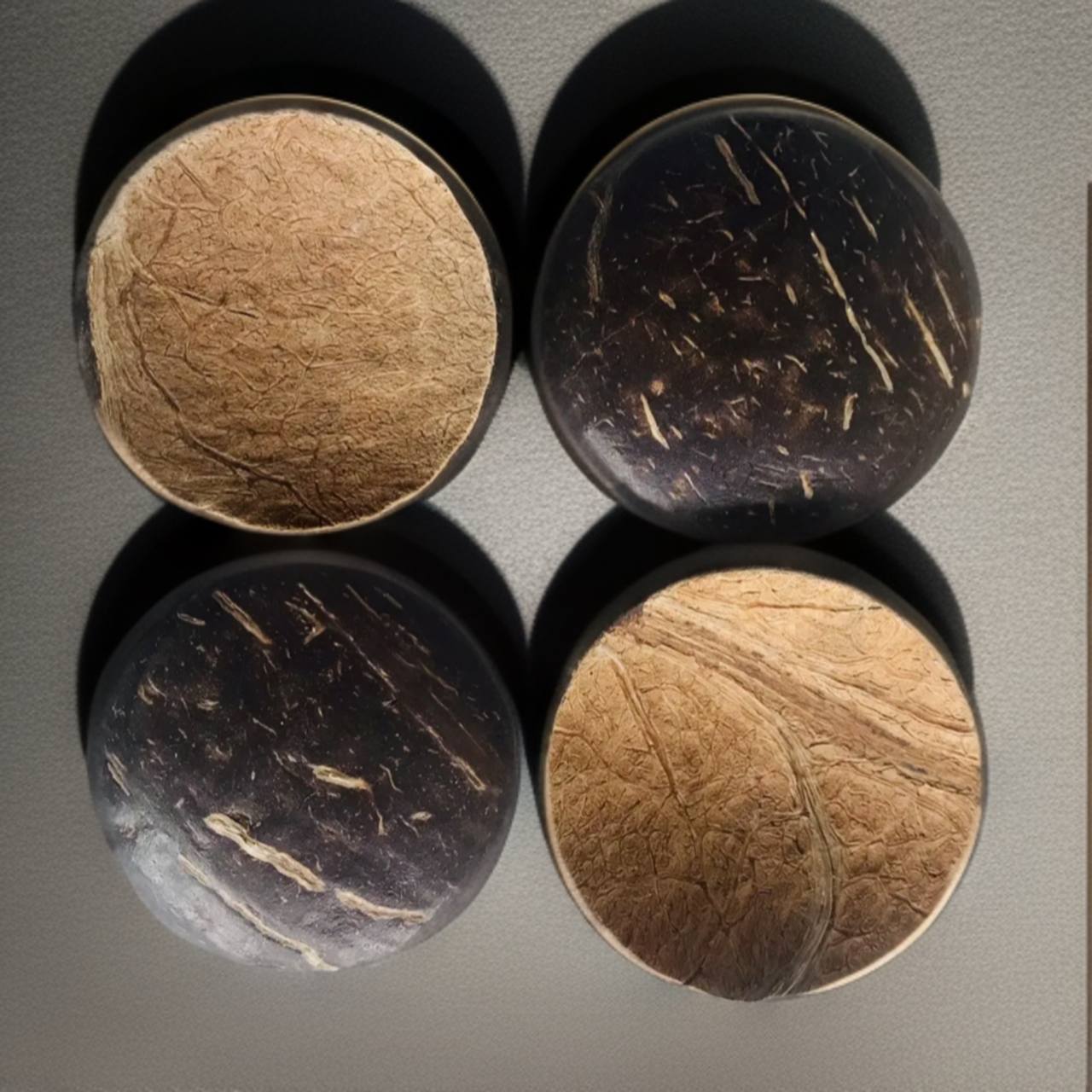
In the Regla de Palo, divination is an essential practice that enables communication with the spirit world and the dead. The principal method is the use of chamalongos, small objects that are cast onto the ground to interpret the messages of the spirits and the dead. The position and orientation of the chamalongos provide answers and guidance to the questions posed by the practitioners.
The Signs of the Chamalongo
Divination with chamalongos in Palo Mayombe is performed by casting four pieces of coconut or shells, and the reading of the signs is essential for obtaining guidance and answers from the dead:
- Alafia (four open): This sign indicates an affirmative answer, peace and clarity. It is a good omen and shows a clear path ahead.
- Etawa (three open and one closed): Represents an affirmation with reservations or cautions. Though mostly positive, it calls for attention to certain details.
- Eyeife (two open and two closed): Means an emphatic «yes», being the highest letter in this divination. It indicates success and definitive confirmation.
- Okana (one open and three closed): Read as a challenge, an obstacle or a negative answer. It warns of difficulties or problems.
- Oyekun or Okana Yekun (four closed): The most negative sign, indicating a categorical «no», danger and adversity.
The correct interpretation of these signs is crucial in the practice of Palo Mayombe, for it offers spiritual guidance and aid in making important decisions. Experienced practitioners can read and deeply understand the messages these signs reveal.
Deities and Spirits
The Mpungos
In Palo Mayombe, the Mpungos are entities or deities of great power and standing, each representing and governing different forces of nature and aspects of human existence. They are fundamental to the practice of the religion and are approached with a mixture of veneration and caution, for their influence is held to be immense. Here are some of the most prominent Mpungos:
- Sarabanda (Zarabanda): Associated with iron, work and war. A deity of great strength, tied to protection and the resolution of conflicts.
- Madre de Agua (Yemayá in Santería): Represents the sea, motherhood and fertility. She is associated with life, creation and sustenance.
- Siete Rayos (Nsasi): Deity of thunder, lightning and fire. He symbolizes energy, vital force and passion.
- Cobayende (Babalu-Aye in Santería): Tied to illness and healing, he is a deity of health and medicine.
- Lucero (Eleguá in Santería): Known as the messenger and the opener of roads, he is fundamental to any ritual, for he is held to be the guardian of the crossroads and the one who enables communication with other spirits.
- Tiembla Tierra (Obatalá in Santería): Represents peace, wisdom and justice. A calm and fatherly deity.
- Centella Ndoki (Oyá in Santería): Associated with cemeteries, winds and storms. She represents change and transformation.
The Nfumbes, or the Dead
The nfumbes are a key piece in the cosmology of Palo Mayombe. The term refers to the spirits of the dead who are invoked and worked with within this religious practice. These spirits are no mere passive figures; they are believed to have the capacity to act upon the physical world and to offer guidance and protection to the practitioners of Palo Mayombe.
- Nature of the Nfumbes: The nfumbes are regarded as spiritual entities with their own personalities and experiences. They may be direct ancestors of the practitioners, or spirits with whom a connection is forged through specific rituals.
- The Role of the Nfumbes: In Palo Mayombe, the dead play a crucial role in rituals and ceremonies. Their assistance is sought in a range of situations, such as healing, protection against harm, or divination. Their knowledge and power are prized sources of wisdom and magical capacity.
- Relationship with the Ngangas: The nfumbes are intrinsically bound to the ngangas, the cauldrons or sacred altars where these spirits reside. Each nganga is unique and contains specific elements that link the nfumbe to the physical world. The care and tending of the nganga are essential to keeping a strong, active relationship with the nfumbe.
- Communication and Respect: Communication with the nfumbes takes place through prayers, tobacco, chamalongos, the rituals and the offerings. The practitioners of Palo Mayombe must treat the nfumbes with respect and reverence, acknowledging their importance and their role in the religious practice.
Spiritual Hierarchy in Palo Congo
- Nsambi: The supreme Deity, the Creator, the god who rules and governs over all beings and the universe.
- Nkitas: Elemental spirits of the trees, of the rivers, of the air, and so on.
- Mfumbe: (Fumbe; the dead) – ghosts, spirits of the dead; forebears.
- Eggun: Ancestral spirits of great power.
- Mpungos: Forces, which are the counterparts of the Orishas of Santería or of the Loas of Vodou; they share many of the same names and characteristics. They are also referred to as «Nkisi«.
Structure and Organization
The organization within Palería follows a hierarchical, functional structure centered on the religious houses or temples, known as «munansos» or «casas de palo» (houses of Palo). This structure is designed to preserve the traditions, teachings and practices of the religion. Below are the roles and organization common in Palo Mayombe:
- Tata Nganga or Padre Nganga (male) and Yaya Nganga or Madre Nganga (female): They are the principal spiritual leaders of a house or munanso of Palo. They hold a deep knowledge of the traditions, the rituals and the secrets of Palo Mayombe. They are responsible for leading ceremonies, carrying out initiations (rayamientos) and giving spiritual guidance to the members of the house.
- Ngueyo or Pino Nuevo: They are the initiates or apprentices in Palo Mayombe. They are in the process of learning the practices, rituals and teachings of the religion under the guidance of a Tata or Yaya Nganga.
- Padrino and Madrina: These figures act as mentors and support the spiritual development of the Ngueyos. They may assist in the initiation and provide guidance along the initiate’s spiritual path.
- Council of Elders or Council of the House: In some houses of Palo, there is a group of experienced members who advise the Tata or Yaya Nganga on important decisions and contribute to the teaching and upkeep of the traditions.
Palo Monte in Contemporary Society
In contemporary society, Palo Mayombe has spread beyond its Afro-Cuban roots, adapting and evolving within different cultural and social contexts. This religion, with its rich spiritual and cultural heritage, faces both challenges and opportunities in the modern world.
- Globalization and Diversification: Palo Mayombe has crossed geographic borders, finding practitioners and followers in different parts of the world. This expansion has brought greater diversity to its practices and has opened an intercultural dialogue about Afro-Cuban spiritual traditions.
- Perceptions and Misunderstandings: Despite its growth, this regla conga often faces misunderstanding and stereotypes. Lack of knowledge and distorted portrayals in the media have led to a warped perception of its practices and beliefs. The community makes an ongoing effort to educate and to clarify the true nature of this religion.
- Integration and Preservation of Traditions: The practitioners of Palo Mayombe in contemporary society strive to keep their ancestral traditions alive while integrating elements of modern life. This includes the preservation of rituals, language and spiritual knowledge, ensuring that future generations can carry these practices forward.
- Legal and Social Challenges: In some contexts, the followers of Palo Monte face legal and social challenges, especially in places where there is little understanding or acceptance of Afro-Cuban religious practices. These challenges range from securing spaces in which to perform rituals to the struggle for recognition and respect for their beliefs.
- Cultural and Spiritual Contributions: This religion contributes significantly to the cultural and spiritual diversity of contemporary society. Its presence enriches the fabric of the communities where it is practiced, offering a singular perspective on spirituality and on the connection with the natural world.
In sum, Palo Mayombe in contemporary society represents a balance between preserving a rich spiritual heritage and adapting to a world in constant change. Its practice remains a testament to the resilience and vitality of Afro-Cuban spiritual traditions.